위 이미지를 클릭하시면 온라인 서점 페이지로 이동합니다.
Click the image above to go to online bookstore page.
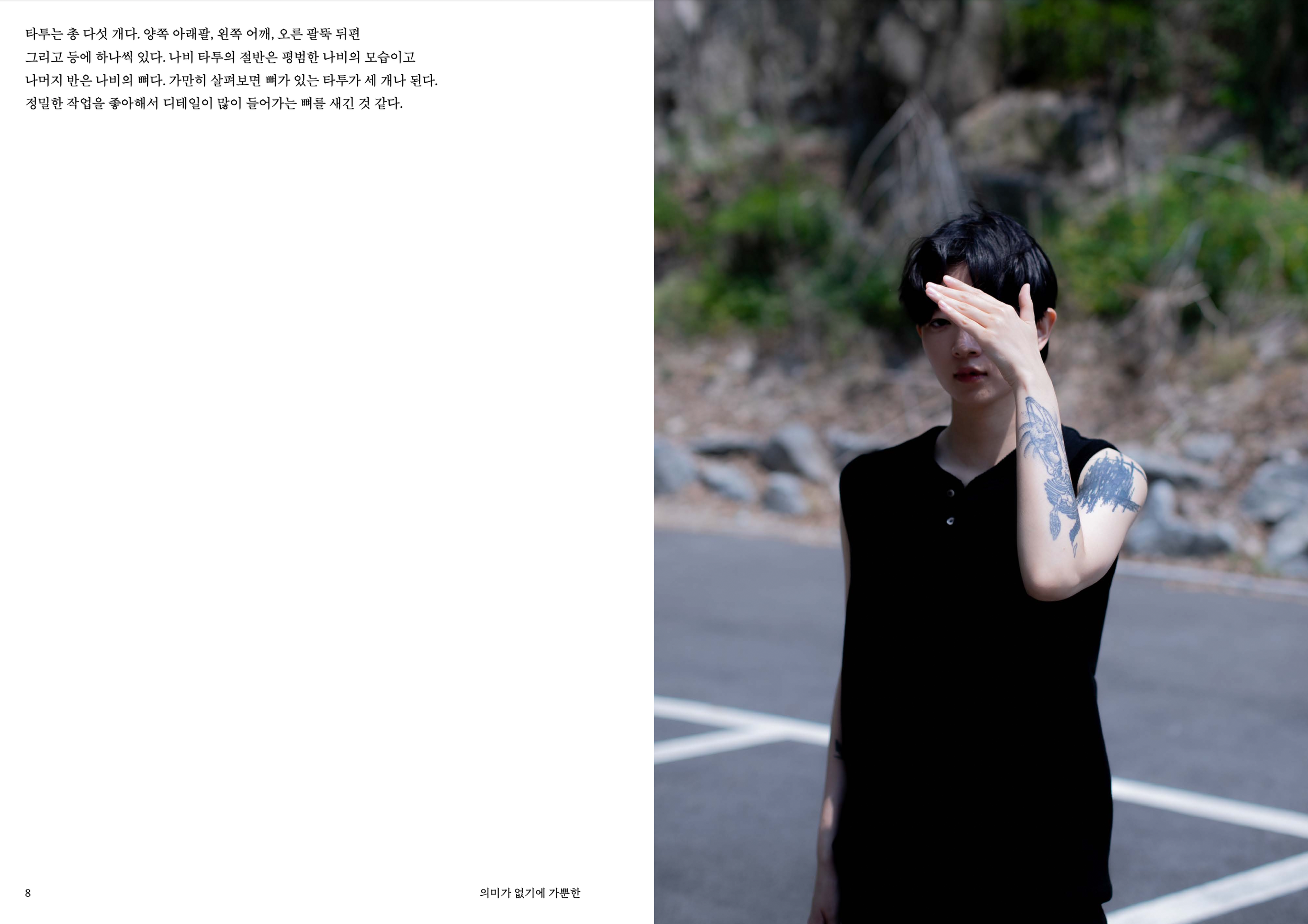
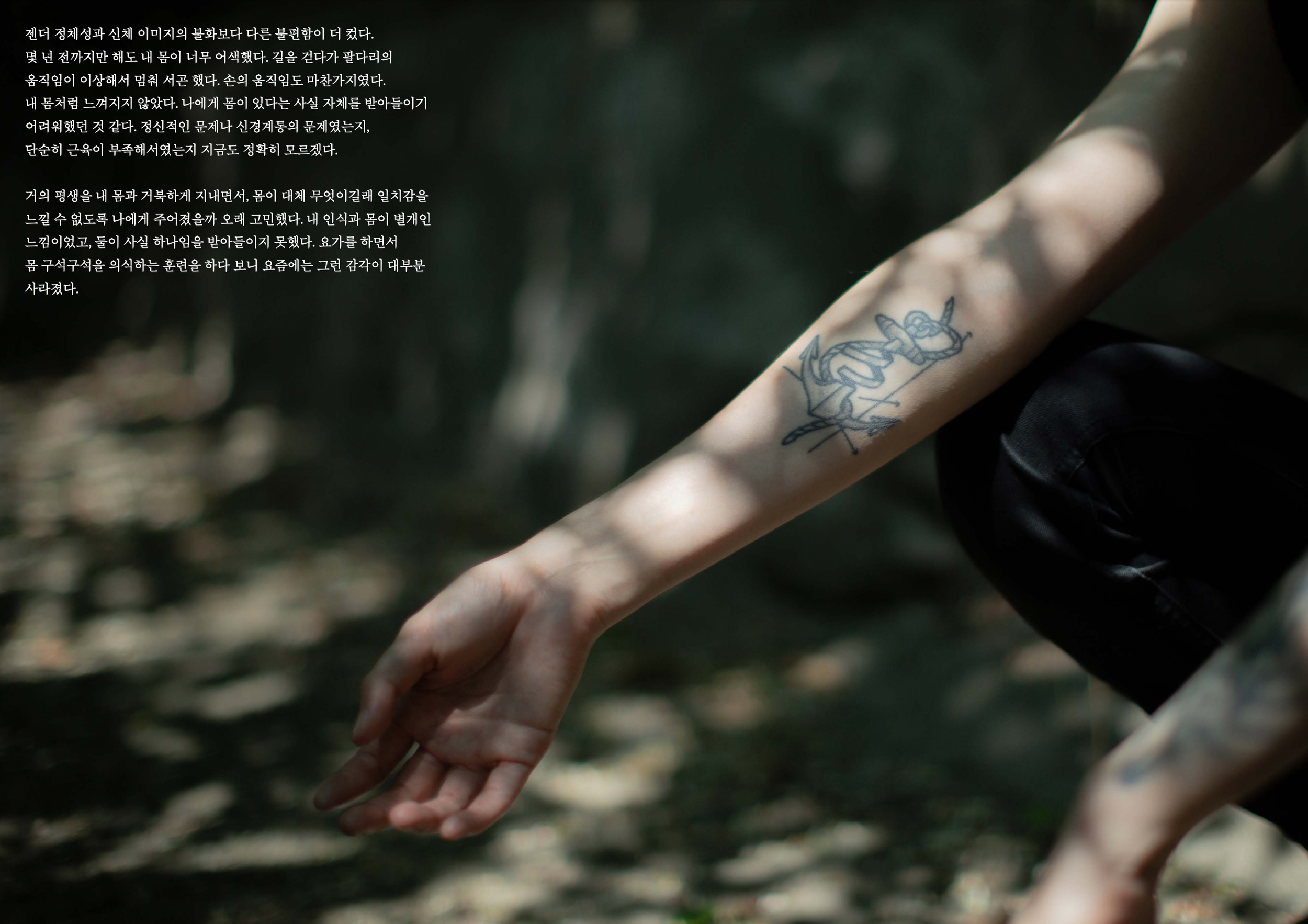
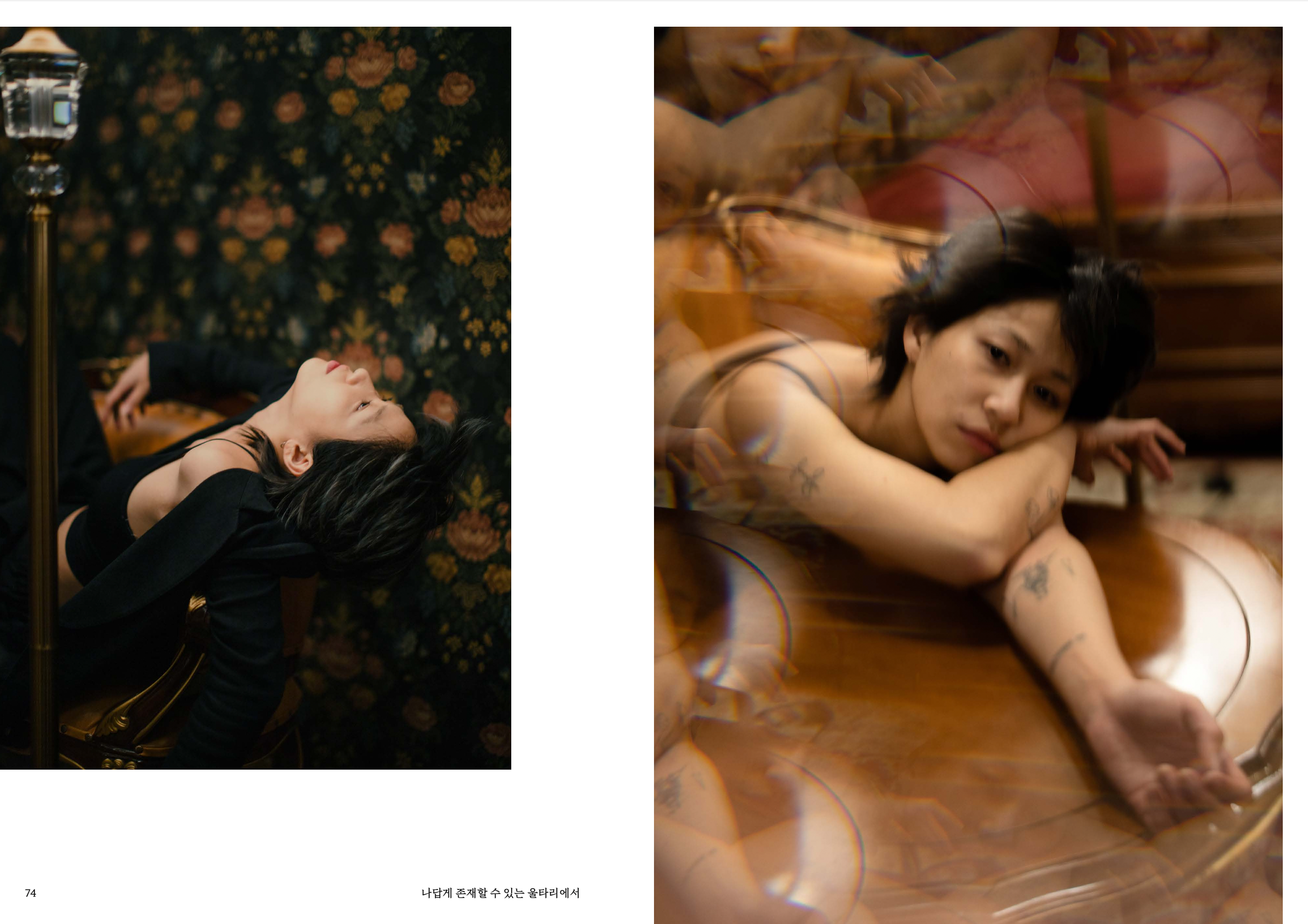
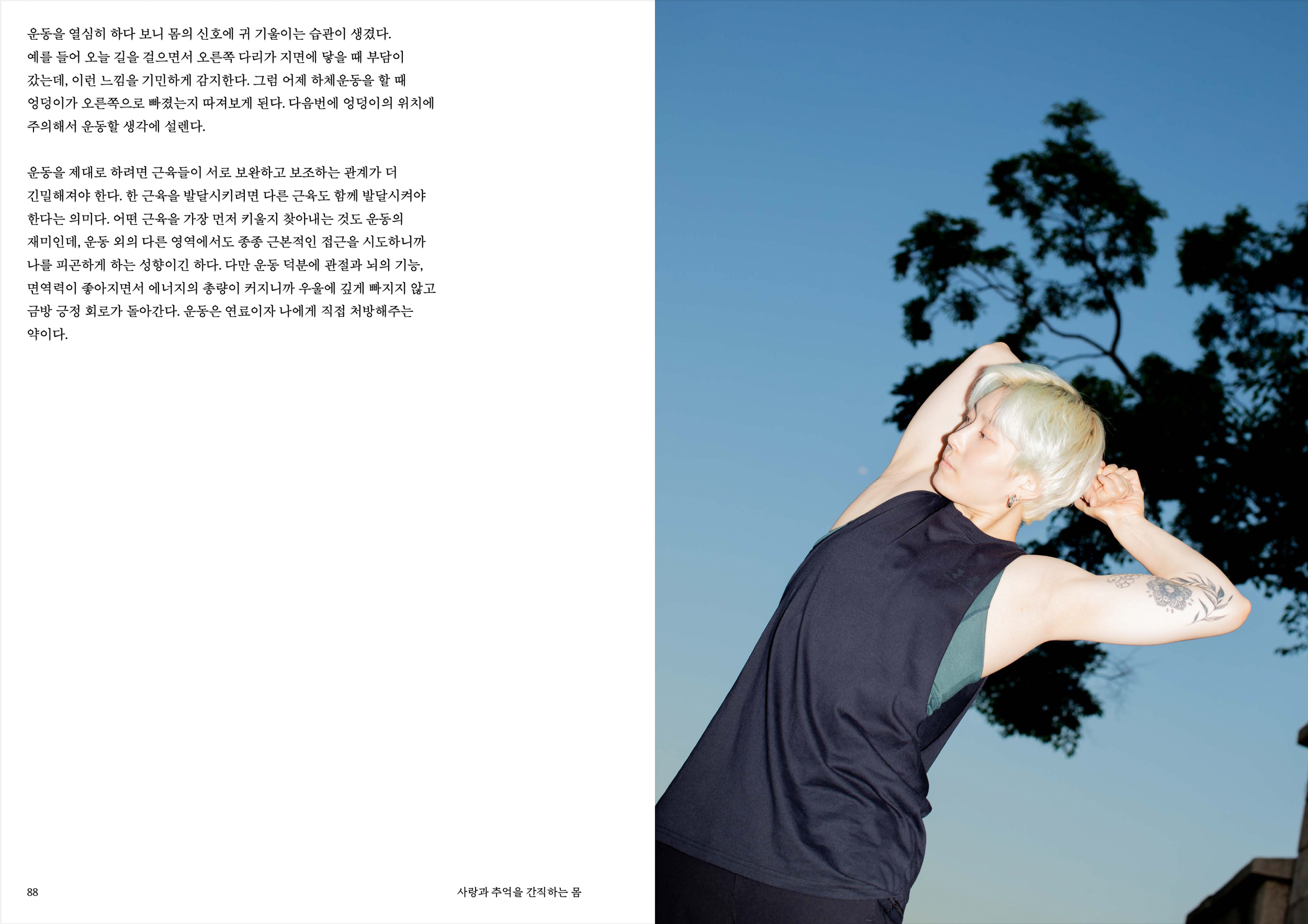
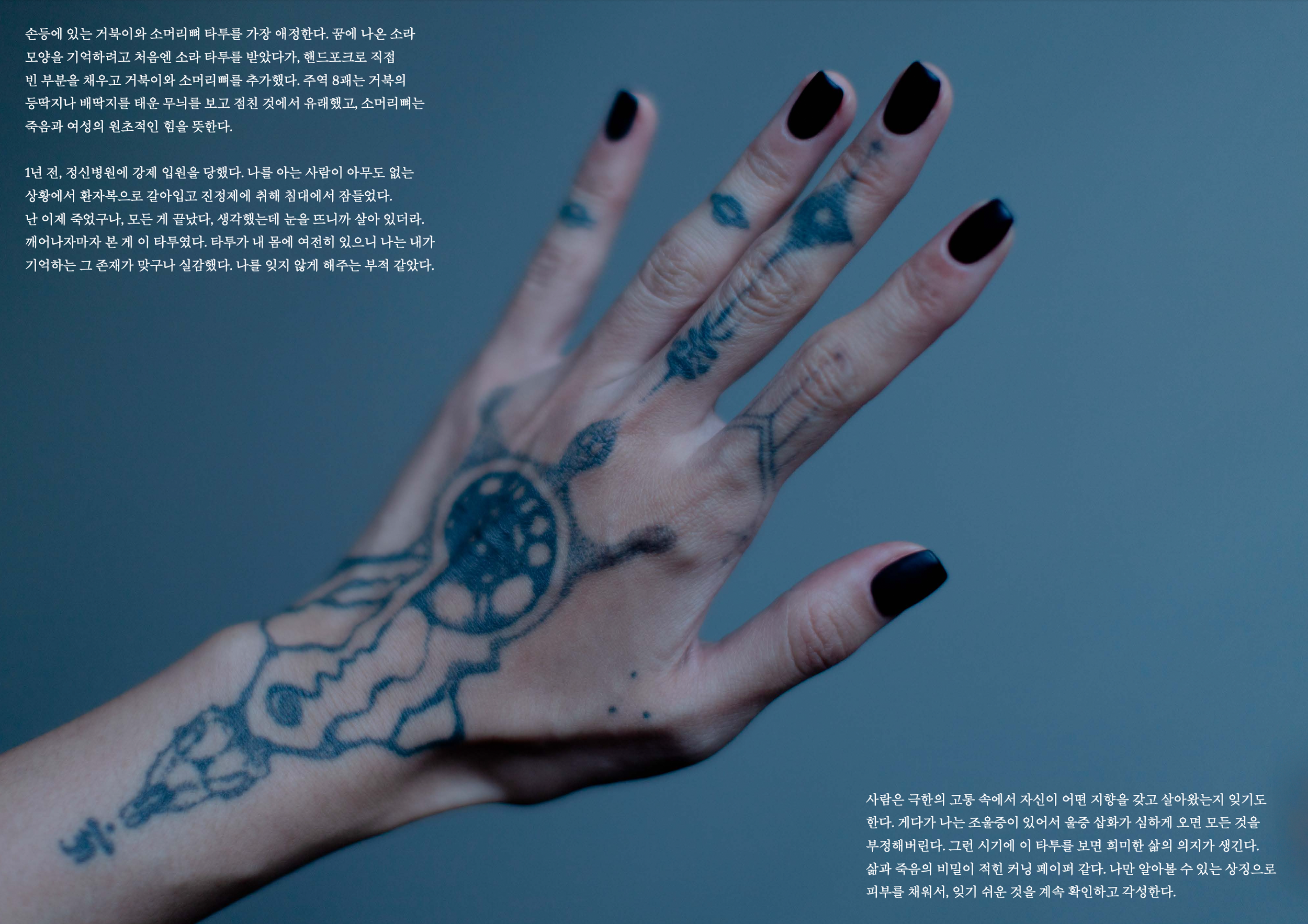
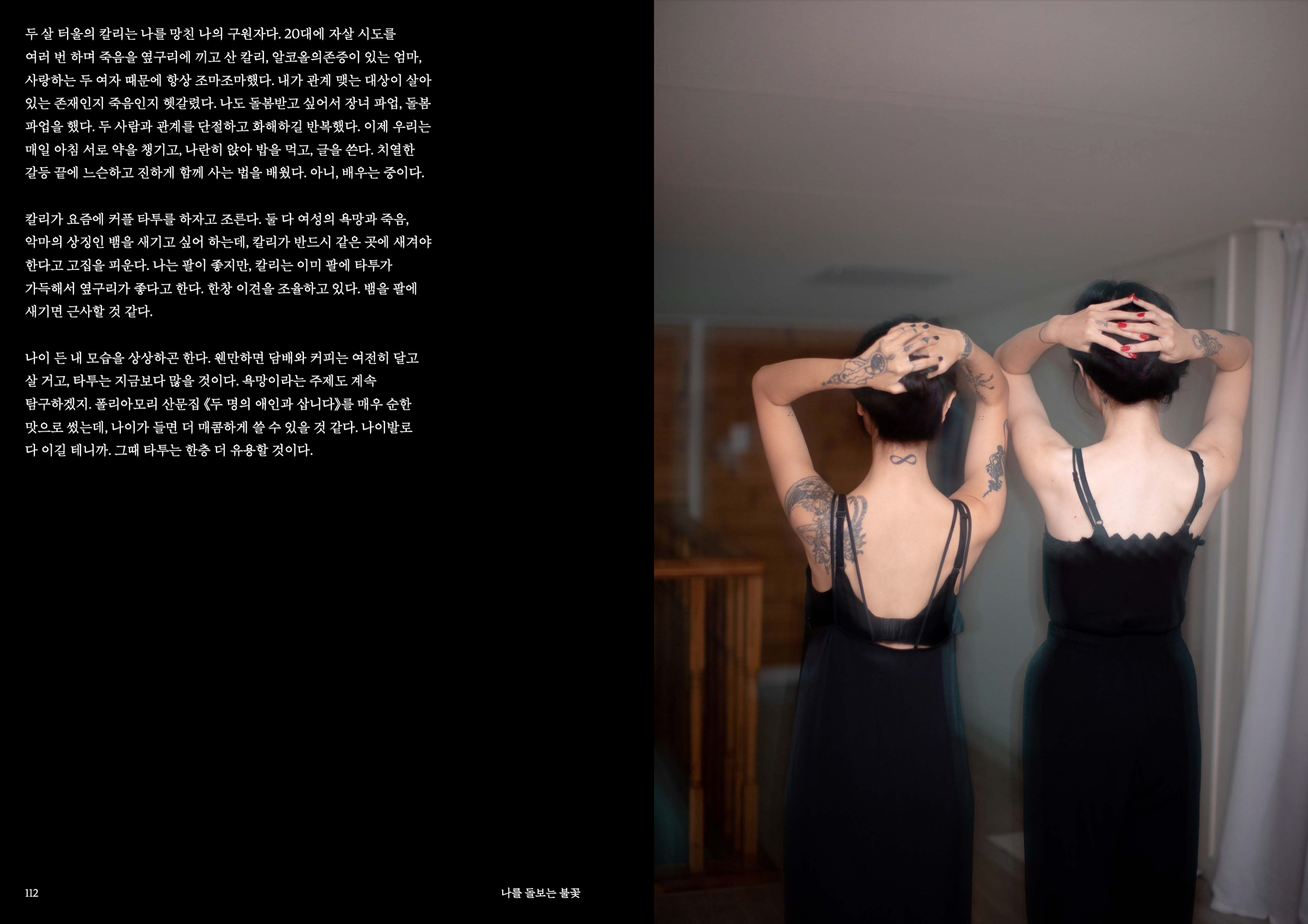
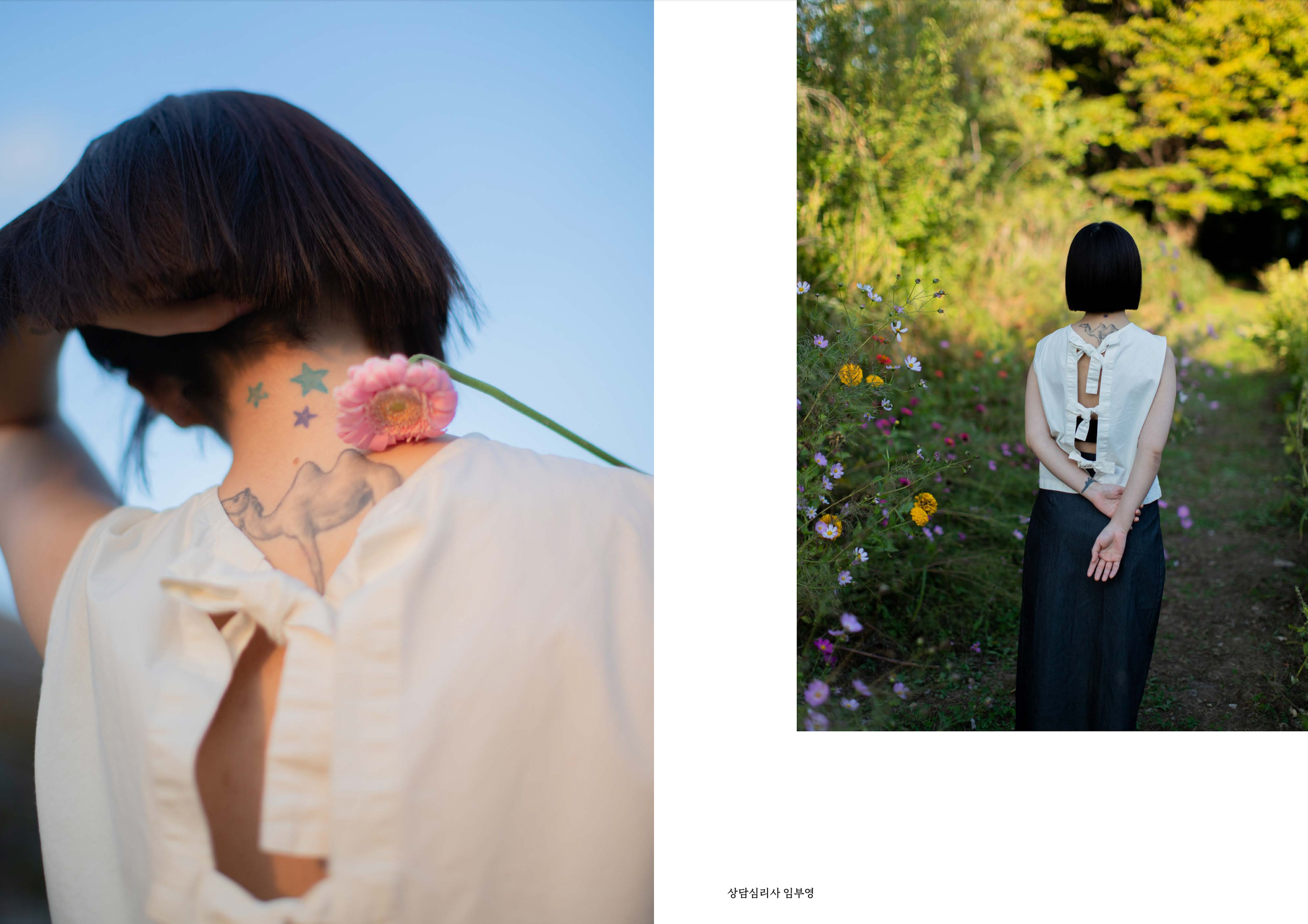
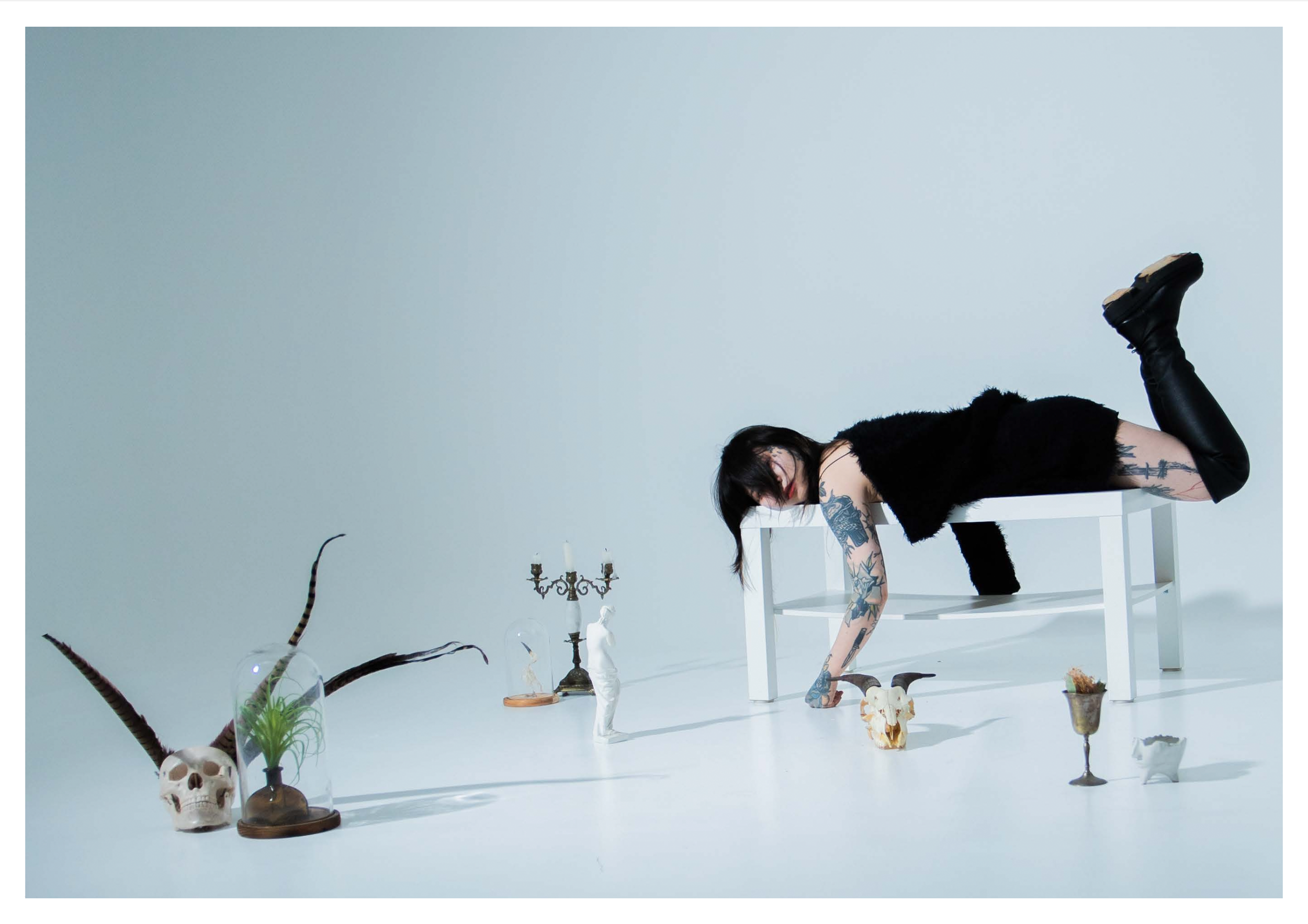
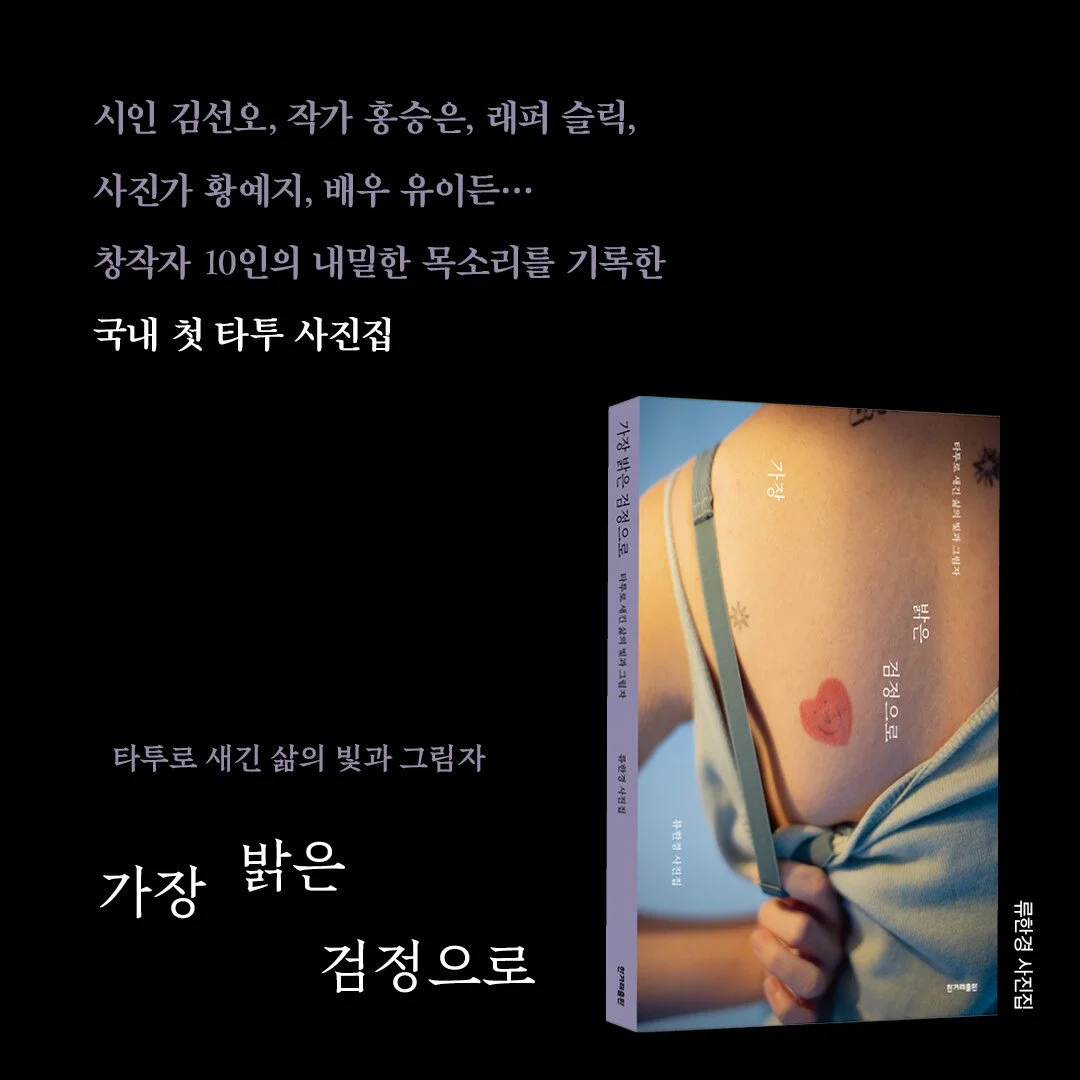
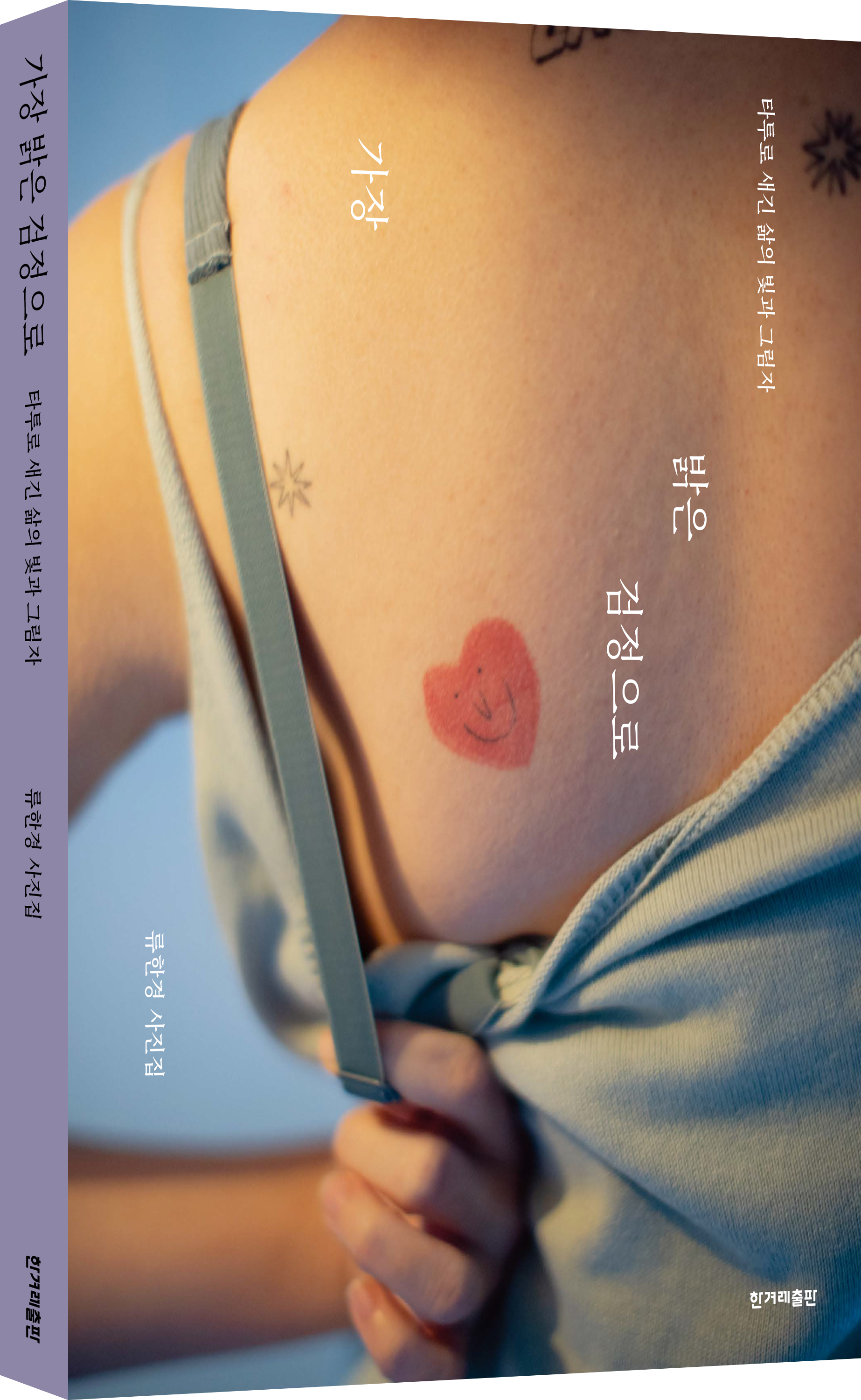
With the Brightest Black is a tattoo photobook by photographer Hankyung Ryu, published by Hankyoreh Publishing, that records ten interviewees and their tattoos. Poets, rappers, actors, photographers, tattoo artists and other non-male creators of this era appear in the book, along with the tattoos they have inscribed on their bodies and the life stories attached to them, presented through photographs and prose-style interview texts. The artist approaches tattoos not as simple decoration or a sign of deviance but as a site where wound and recovery, love and mourning, resistance to norms and self-affirmation are written into the body, following the question of how “the darkest black can become the brightest black.” The project began from a desire to reconsider the different social gazes directed at tattooed male and non-male, the legal and social conditions that still render tattooing illegal in South Korea, and the wish to read tattoos not as marks of regret or stigma but as a way of holding and remembering one’s own life. Drawing on his experience as a photographer who has spent a long time looking at and listening to other people’s bodies and stories, the author set out to gather into this book the desire to be “born again,” the sense that there is no going back to a former self, and the movement of choosing and defining one’s own body.
『가장 밝은 검정으로』는 사진가 류한경이 1년 반 동안 만난 10명의 인터뷰이와 그들의 타투를 기록한, 한겨레출판에서 출간된 타투 사진집이다. 시인, 래퍼, 배우, 사진가, 타투이스트 등 동시대를 살아가는 비남성 창작자들이 각자의 몸에 새긴 타투와 그에 얽힌 삶의 이야기가 사진과 산문 형식의 인터뷰 텍스트로 함께 실려 있다. 작가는 타투를 단순한 장식이나 일탈의 표지가 아니라, 상처와 회복, 사랑과 애도, 규범에 대한 저항과 자기 긍정이 새겨지는 자리로 바라보며, “가장 어두운 검정이 어떻게 가장 밝은 검정이 될 수 있는가”라는 질문을 따라간다. 남성과 비남성이 타투를 새겼을 때 향하는 사회적 시선의 차이, 여전히 불법으로 남아 있는 한국의 타투 환경, 타투를 후회와 낙인 대신 자기 삶을 감당하고 기억하는 방식으로 읽어 보고 싶다는 문제의식이 이 작업의 출발점이 되었다. 사진가로서 타인의 몸과 이야기를 오래 바라보고 들어온 경험을 바탕으로, 저자는 타투를 통해 “다시 태어나고 싶다”는 욕망, 더 이상 예전의 자신으로 돌아갈 수 없다는 감각, 그럼에도 자신의 몸을 스스로 선택하고 정의하려는 움직임을 이 책 한 권에 담고자 했다.